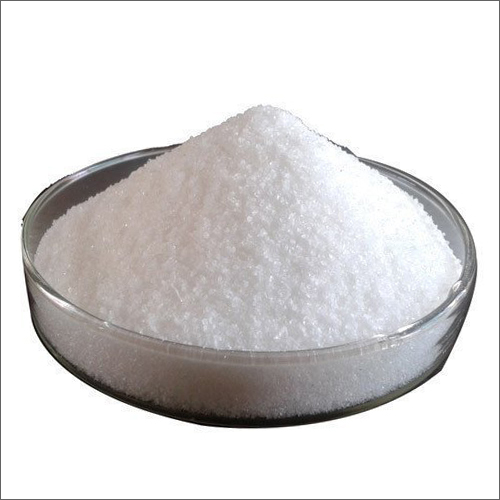
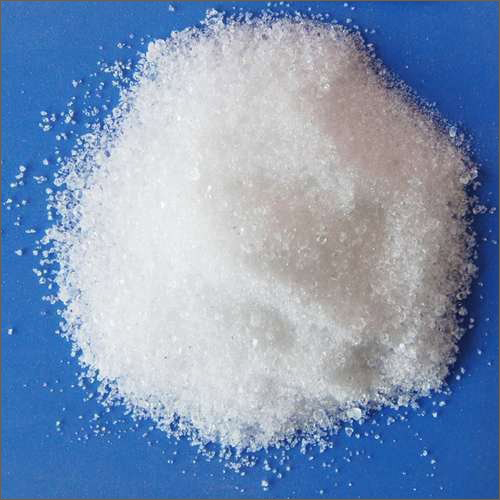
Polyelectrolytes are used in water treatment becausethey act as potent coagulants and flocculants, effectively neutralizing charged suspended particles to form larger, settleable aggregates (flocs).This process clarifies water by removing turbidity and suspended solids, aids in sludge dewatering, and is more efficient and produces less waste than traditionalinorganic coagulants,leading to improved water quality and lower treatment costs.
How Polyelectrolytes Work
Charge Neutralization: The primary function of a polyelectrolyte is to neutralize the surface charges of tiny suspended particles in water, which would otherwise repel each other.
Flocculation: By neutralizing these charges, polyelectrolytes enable the fine particles to aggregate and bind together, forming much larger, denser clumps called flocs.
Settling and Filtration: These larger flocs are then much heavier and easier to remove from the water through sedimentation, filtration, or flotation processes.
Benefits in Water Treatment
Improved Water Clarity: They significantly reduce turbidity and suspended solids, resulting in clearer, cleaner water.
EfficientSludge Dewatering: Polyelectrolytes improve the dewatering of sludge, increasing the solid content of the sludge cake, which reduces its volume and disposal costs.
Reduced Chemical Usage: Polyelectrolytes are highly efficient, meaning less chemical is required compared to some inorganic coagulants, leading to cost savings.
Smaller Sludge Volume: They generate a smaller volume of sludge compared to inorganic alternatives, reducing the overall waste generated during the treatment process.
Operational Efficiency: The faster sedimentation and filtration rates improve overall operational efficiency in water treatment plants.
Versatility: They are effective across a wide range of water types and industrial applications, including municipal, industrial, and agricultural sectors.
 Mon - Sat 8:00 - 6:30, Sunday - CLOSED







 Send Inquiry

 Send Inquiry
 Send Inquiry
 Send SMS
 Call Me Free


